Home Blog Page 4

Removal of Directors: Shareholder Rights and Due Process

0

Director hataana sirf personal enmity ka issue nahi, ek legal process hai. Shareholders generally resolution ke through director remove kar sakte hain, lekin unko due process follow karna hi hoga.

Director ko notice milna chahiye, apni side explain karne ka mauka bhi. Special notice requirements, timing, voting thresholds – sab statute aur articles me likhe hote hain.

Agar removal mala fide lagta ho – jaisa ki whistleblower director ko suddenly nikal dena – to court protection possible hai. Lekin generally, directors “at pleasure” of majority hote hain; lifetime job ka concept nahi.

Promoter–investor fights me removal weapon ban jata hai. Isi liye shareholder agreements me reserved matters, affirmative votes, nominee directors ki protection, aur tag/drag rights specify kiye jaate hain.

Clean documentation and fair conduct dono taraf ke liye necessary hai, warna disputes years tak khinch sakte hain.


Board Meetings and Resolutions: Validity and Pitfalls

0

Company ka “brain” uska Board of Directors hota hai, aur board meetings us dimaag ki regular functioning. Legally valid decisions ke liye basic cheezein zaroori hain: proper notice, quorum, agenda clarity, aur minutes.

Common mistakes:

  • Short or defective notice,
  • Important agenda “Any Other Item” me chhupa dena,
  • Interested director ko voting allow kar dena,
  • Minutes formally approve na karna, ya baad me edit karna.

Resolutions – chahe simple majority ho, special resolution ho, or circulation se pass ho – sab companies law aur articles ke mutabik hone chahiye. Bank, investors, regulators later yahi minutes aur resolutions dekh ke trust karte hain.

Disputes me courts mostly paper trail pe rely karte hain. Isliye board processes ko serious lena, secretarial standards follow karna, aur dissent ko honestly record karna long-term protection deta hai.

Constitutional Protection Against Arbitrary Tax and Retrospective Laws

0

Tax ka basic principle hai: certainty, fairness, and non-arbitrariness. State paisa le sakti hai, but clear law, reasonable classification, aur non-confiscatory approach ke sath.

Retrospective tax laws – jahan past transactions pe suddenly naya tax laga diya jaye – sabse controversial hote hain. Courts dekhte hain:

  • Kya retrospective step narrow, specific aur justified hai,
  • Kya wo impossible burden create kar raha hai,
  • Kya legitimate expectation destroy ho raha hai.

Arbitrary tax matlab jahan classification irrational ho – ek group ko bina reason heavy burden, dusre ko chhoot. Equality clause yahan trigger hota hai. Excessive penalty, interest, ya selective enforcement bhi constitutional challenge invite kar sakte hain.

Business aur citizens ke liye message simple hai: tax planning karte waqt law ke text ke sath-sath overall policy direction observe karo. Extreme aggressive structures kabhi-kabhi hi survive karte hain jab State seriously mood me aa jaye.

 Right to Protest and Restrictions on Public Assemblies

0

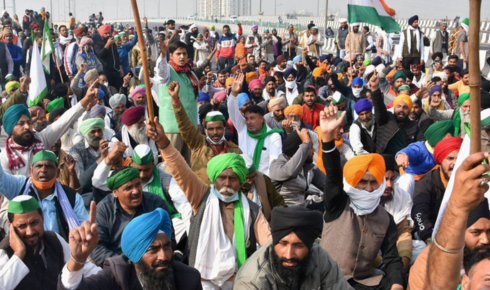
Right to protest democratic system ka natural part hai. Log sarkar se disagree kar sakte hain, roads pe march kar sakte hain, slogans laga sakte hain. Lekin yeh right absolute nahi; doosre logon ke rights, traffic, safety, aur public order bhi matter karte hain.

Authorities permissions, routes, timing, sound limits, aur designated protest zones fix kar sakti hain. Violence, arson, road blockade for indefinite periods – yeh sab restrictions attract kar sakte hain.

Courts aksar kehte hain: State ka kaam dissent ko choke karna nahi, but manage karna hai. Blanket ban, internet shutdowns, ya indefinite section orders suspicious nazar se dekhe jaate hain.

Protest organisers ke liye best practice hai: conditions follow karo, written communication maintain karo, aur documentation rakho agar excess force ya illegal detention ho. Peaceful, disciplined protest ka moral aur legal strength dono zyada hota hai.

Basic Structure Doctrine and Limits on Amending the Constitution

0

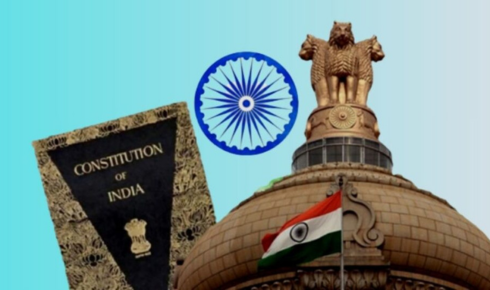
Basic Structure Doctrine ek simple-sounding, but powerful idea hai: Parliament Constitution amend kar sakti hai, lekin uska “core structure” destroy nahi kar sakti. Ye core mein kya hai? Judicial review, rule of law, separation of powers, federalism, secularism, fundamental rights ka core essence, free and fair elections, etc.

Is doctrine ne do extremes rok diye:

  • Parliament ko yeh signal ki aap limited body ho,
  • Courts ko guardian role diya ki agar koi amendment democracy ko hi weaken kare, to woh strike down ho sakta hai.

Yeh line hamesha crystal clear nahi hoti. Har big amendment pe debate hoti hai – kya yeh reform hai ya core ko hit kar raha hai? Economic, electoral, judicial reforms sab is test se guzarte hain.

Basic structure ek tarah se long-term safety valve hai. Short-term political majority koi bhi ho, Constitution ka basic DNA hawa me decide nahi hota; uska guardian ek independent judiciary rehti hai.

Permanent vs Mandatory Injunctions: Practical Differences

0

Permanent injunction generally yeh bolta hai: “yeh kaam aage se mat karo.” Jaise illegal construction, trademark misuse, trespass, harassment, etc. Court final hearing ke baad aisa order deti hai aur defendant ko future behaviour pe rok lag jati hai.

Mandatory injunction thoda aage jaata hai – yeh kehta hai “yeh kaam karo.” Jaise illegal structure todna, encroachment hataana, board remove karna, gate kholna, pipeline repair karna. Yahan court kisi active step ka order deti hai.

Mandatory injunction milna comparatively difficult hota hai, kyunki usse status change hota hai. Judge ko convince karna padta hai ki:

  • Wrong clear hai,
  • Delay life/rights ko seriously damage karega,
  • Compensation se baat nahi banegi.

Practically, plaintiffs ko pleadings me hi clarity rakni chahiye – kya bas restraint chahiye, ya actual positive action bhi. Execution stage par bhi difference aata hai: permanent injunction mainly compliance watch karta hai, mandatory me sheriff/authority ko direct karna pad sakta hai concrete steps lene ke liye.

Summary Suits for Recovery of Money Based on Written Instruments

0

Jab aapka claim clear written document pe based ho – jaise promissory note, bill of exchange, cheque, clear invoice – to normal long civil suit ki jagah summary suit ek fast-track option hota hai.

Idea simple hai: yahan “genuine defence” rare hota hai, isliye defendant ko full trial ka luxury nahi milna chahiye unless woh solid reason dikhaye. Court pehle stage par hi dekhti hai ki kya defence sirf time-pass hai ya sach me trial deserve karta hai.

Agar judge ko lagta hai ki defendant ka jawab weak hai, to wo turant decree pass kar sakta hai ya limited issues par hi trial allow karega. Isse recovery cases me years ke badle months ka time lag sakta hai.

Creditor ke liye important hai ki documents clean, signed, date-wale, aur properly maintained hon. Fudged papers ya cash dealings jinke proof nahi, summary route ko weak bana dete hain.

Summary suit ek pressure tool bhi hai – dekho, paisa clear due hai, defend karna hai to strong ground lao.

Specific Relief in Contract and Property Cases: When Courts Refuse

0

Specific relief ka matlab hota hai ki court seedha wahi cheez karwane ka order de – jaise property ka registration, possession dena, ya particular contract perform karwana. Lekin har breach pe specific performance mil hi jaye, aisa rule nahi hai.

Courts yeh dekhte hain ki:

  • Contract clear, workable aur fair hai ya nahi,
  • Parties ne free will se sign kiya tha,
  • Damages (paisa) se loss reasonably cover ho sakta hai ya nahi.

Jahan subject matter easily market se mil sakta ho, courts aksar kehte hain, “compensation le lo, specific performance nahi.” Personal skill wale contracts (like singer, artist, employee) me bhi court zabardasti performance nahi karwata.

Property deals me delay, unfair price, concealment of facts, ya plaintiff ka conduct galat ho, to bhi relief deny ho sakta hai. Specific relief ek discretionary remedy hai – right automatic nahi, judge ko satisfy karna padta hai ki aap neatly, honestly conduct kar rahe ho.