Author: Admin

  • Medical Device Regulation: Implants and Equipment

    Medical Device Regulation: Implants and Equipment

    Medical devices – stents, implants, pacemakers, monitors, syringes – modern healthcare ke backbone hain. Inka regulation medicines se thoda alag, par utna hi critical hai.

    Rules generally classify devices risk level ke basis par: low-risk bandages se leke high-risk heart valves tak. Har category ke liye design standards, clinical evaluation, manufacturing quality systems, aur post-market surveillance requirements hoti hain.

    Problems tab bante hain jab cheap, unapproved imports market flood kar dete hain, ya hospitals cost-cutting me dubious suppliers use karte hain. Device failure patient ke body ke andar direct harm ka risk layaata hai.

    Regulators approvals, audits, adverse incident reporting systems, aur sometimes device registry maintain karte hain. Hospitals ko procurement policy transparent rakni chahiye, doctors ko conflict-of-interest avoid karna chahiye.

    Patient ko brand/model ke records, implant card, and follow-up advice carefully preserve karni chahiye – future replacement ya recall cases me ye hi lifeline hoti hai.


  • Liability of Pharma Companies for Adverse Drug Reactions

    Liability of Pharma Companies for Adverse Drug Reactions

    Har medicine ke side-effects hote hain, lekin kuch adverse drug reactions severe ho sakte hain. Pharma companies ki responsibility hai ki wo research, trials, labelling, aur marketing me due care lein.

    Liability questions tab uthte hain jab:

    • Known serious side-effect ko chhupa liya gaya,
    • Warnings vague ya incomplete thi,
    • Manufacturing defect se contamination hua,
    • Post-marketing surveillance ignore kiya gaya.

    Doctor–patient–company triangle me blame assignment complex ho sakta hai. Kabhi prescribing pattern galat hota hai, kabhi dosage misuse, kabhi patient history hide karta hai.

    Regulators recalls, black box warnings, ya bans impose kar sakte hain. Civil suits me compensation, class actions, aur sometimes punitive damages possible hote hain.

    Patients ke liye practical step: leaflets padhna, unusual symptoms note karna, timely report karna, aur documentation sambhal ke rakhna.

  • Interfaith Marriages: Special Procedures and Challenges

    Interfaith Marriages: Special Procedures and Challenges

    Interfaith marriages legally allowed hote hain, but process thoda extra layered hota hai. Neutral civil legislation (jaise Special Marriage type laws) under registration ek common route hota hai.

    Typical requirements:

    • Notice period, jisme names/publication hota hai,
    • Age, consent and monogamy conditions,
    • Objection window jahan kisi ko legal objection raise karne ka chance milta hai.

    Practical challenges: families ka resistance, social pressure, sometimes local authorities ki unnecessary interference. Couples ko identity documents, address proofs, and witnesses ready rakhne padte hain.

    Interfaith couples ko future planning pe bhi dhyan dena chahiye – children ka name, religious upbringing, ceremonies, and long-term financial planning. Written clarity misunderstandings kam karta hai.

    Law ka aim yahan choice protect karna hai; ground-level reality kabhi-kabhi is promise se peeche reh jaati hai.

  • Second Marriage Without Divorce: Legal Consequences

    Second Marriage Without Divorce: Legal Consequences

    Existing valid marriage hote hue second marriage kar lena generally big legal problem hai. Bahut systems me yeh bigamy/polygamy ki category me aata hai (with some personal law exceptions).

    Consequences:

    • Criminal prosecution possible,
    • Second marriage often void treat hota hai,
    • First spouse ke paas divorce, maintenance, compensation ka strong ground,
    • Second partner bhi victim ho sakta hai agar usko truth hi nahi bataya gaya ho.

    Children born from such unions ko courts ne usually better protection diya hai – unko inheritance, legitimacy ke kuch rights – taaki bachche parents ke choices ka full burden na uthayein.

    Safe approach simple hai: pehle existing marriage ka legal closure (divorce/annulment), phir hi new marriage. “Sirf rituals hue the, law ke hisaab se shaadi nahi” jaisi arguments later heavy scrutiny face karte hain.

  • Rights of Unmarried Couples and Their Children

    Rights of Unmarried Couples and Their Children

    Modern cities me unmarried couples openly saath reh rahe hain, lekin law abhi bhi mostly shaadi-centric hai. Phir bhi courts ne kuch protections develop kiye hain – like long-term live-in relationships ko “relationship in the nature of marriage” treat karna in certain contexts.

    Aise cases me domestic violence protection, maintenance, aur sometimes property dispute remedies mil sakti hain, but every relationship automatically qualify nahi karti – casual or secret setups usually cover nahi hote.

    Children ke rights stronger hain. Bachcha “illegitimate” label se kaafi had tak protected hai – unko maintenance, education, aur inheritance ke certain rights mil sakte hain against parents, chahe parents married ho ya nahi.

    Society judgemental ho sakti hai, lekin courts gradually focus kar rahe hain actual dependency aur vulnerability pe, not moral labels pe. Written agreements, clear financial planning, aur honest disclosures aise arrangements me practical safeguards ban sakte hain.

  • Student Data Privacy in Schools Using EdTech

    Student Data Privacy in Schools Using EdTech

    Schools jab EdTech platforms use karte hain – online tests, homework apps, LMS, CCTV streaming – to students ka personal data big scale pe collect hota hai. Names, photos, marks, behaviour, even location.

    Legally, schools aur tech vendors dono ko clear responsibilities honi chahiye:

    • Minimal data collection,
    • Secure storage and restricted access,
    • No unauthorised sharing with advertisers,
    • Transparent privacy policy jo parents samajh saken.

    Parents ko ideally bataya jaye ki kaun si company data handle kar rahi hai, kaun se servers pe store ho raha hai, aur deletion/rectification ke options kya hain.

    Data leak, bullying via screen-shots, or misuse for profiling serious repercussions la sakte hain. Strong passwords, role-based access, and periodic audits basic hygiene hai.

    Education ka digital future privacy-conscious hona chahiye; bachchon ka data commercial guinea pig material nahi ban sakta.

  • Reservation Policies in Education: Merit vs Social Justice

    Reservation Policies in Education: Merit vs Social Justice

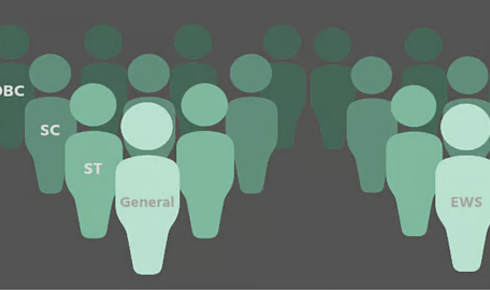
    Reservation in education constant debate ka topic hai. Ek side bolti hai merit compromise, doosri side bolti hai centuries-old exclusion correct karna zaroori hai. Law ye acknowledge karta hai ki education access bhi equality ka hissa hai, isliye backward groups ke liye seats reserve karna allowed hai – but with limits.

    Courts dekhte hain:

    • Overall reservation percentage reasonable limit cross na kare,
    • Criteria rational ho (social and educational backwardness),
    • Creamy layer jaise filters consider kiye jayein (where applicable),
    • State periodic data review kare, sirf politics se policy na chale.

    Open category ke students frustration express karte hain, lekin legal system aim karta hai structural inequality ka counterweight create karne ka. Perfect balance abhi bhi evolving hai.

    Institutions ko apne prospectus, seat matrix, aur cut-off process transparent rakhna chahiye, taaki litigation aur confusion kam ho.

  • Recognition of Private Coaching Centres: Legal Issues

    Recognition of Private Coaching Centres: Legal Issues

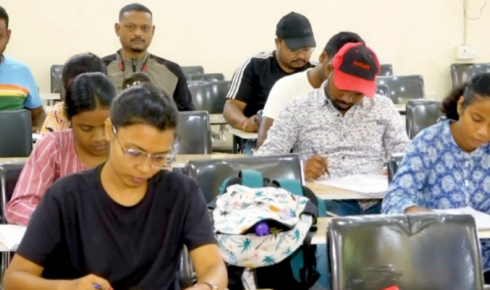
    Private coaching centres aur tuition classes ab ek parallel education system ban chuke hain. Lekin law unko purely “informal” nahi treat karta. Safety, crowding, fire norms, and sometimes trade licences yahan bhi apply hote hain.

    Major questions:

    • Kya centre residential building me run ho raha hai? Zoning rules kya allow karte hain?
    • Fire exits, staircases, ventilation, student capacity – safe hai ya nahi?
    • Branding aur results ke ads me misleading claims to nahi?

    Kuch jurisdictions dedicated rules bana rahe hain coaching ke liye – registration, teacher qualifications, fee regulation, grievance mechanisms. Tragedies (like fire incidents) ke baad yeh push zyada strong ho jata hai.

    Students aur parents ke liye minimum check yeh hona chahiye: basic safety, refund policy, fee receipts, batch size, aur written terms. Coaching centre owners ke liye smart move hai ki wo apne business ko fully legalise karein – short-term savings se zyada important long-term survival hai.

  •  Rights of the Accused During Police Interrogation

     Rights of the Accused During Police Interrogation

    Police interrogation scary lag sakta hai, lekin accused ke bhi clear rights hote hain. Aapko reason of arrest bataya jana chahiye, aapko legal counsel se consult karne ka right hai, aur torture ya forced confession totally illegal hai.

    Statements jo police custody me threat ya beating se liye gaye hon, courts generally unreliable maante hain. Accused ko self-incrimination se protected treat kiya jata hai – usse zabardasti apne against material produce karne ko nahi kaha ja sakta (certain limited exceptions aside).

    Medical check-ups, family ko intimation, prescribed remand periods, aur magistrate ke samne production – yeh sab safeguards accused ke benefit ke liye banaye gaye hain.

    Reality me violations hoti hain, isliye lawyers, NGOs, aur sometimes courts ko extra vigilant rehna padta hai. Accused ya family agar records maintain kare – timing, injuries, behaviour – to later complaint aur compensation claims me help mil sakti hai.

  • Default Bail and Right to Speedy Investigation

    Default Bail and Right to Speedy Investigation

    Default bail ek technical but powerful right hai. Agar prosecution specified maximum time me charge sheet file nahi karti (seriousness ke hisaab se 60/90/180 days etc.), to accused “statutory bail” demand kar sakta hai.

    Ye bail merits pe nahi, State ki delay pe based hoti hai. Condition yeh hai ki deadline khatam hone par accused bail apply kare aur required surety ready ho. Agar woh chance miss kar de aur baad me charge sheet aa jaye, to default bail ka sweet spot khatam ho sakta hai.

    Is principle ke peeche broader idea speedy investigation aur speedy trial ka right hai. State indefinite custody me rakh ke leisurely investigation nahi kar sakti.

    Default bail ka misuse bhi hota hai, lekin courts ne clearly hold kiya hai ki yeh right essential safeguard hai, punishment nahi ki charge sheet late file hui to automatically acquittal ho jayega – bas custody rights change hote hain.