The Truth About Ultra-Processed Foods and What They Do to Your Body
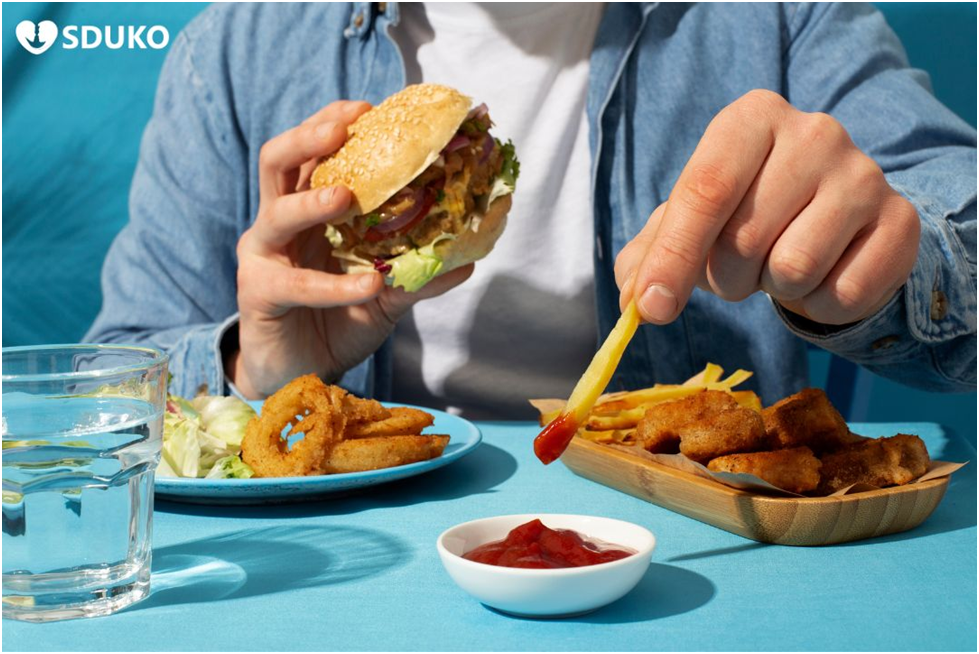
Convenience store snacks, boxed breakfast cereals, instant noodles, frozen ready meals ultra-processed foods are woven into the fabric of modern life. They’re cheap, require zero effort, and are engineered to taste incredible. But while they save time in the kitchen, making them a daily staple carries a heavy hidden cost for your long-term health.
Understanding what these foods actually are and how they affect your body makes it much easier to balance convenience with real nourishment.
What Actually Counts as an Ultra-Processed Food?
According to the NOVA food classification system, ultra-processed foods aren’t just “processed” in the way vegetables are frozen or milk is pasteurized. They are industrial formulations created from multiple ingredients that you’d never find in a home kitchen: modified starches, hydrogenated oils, added protein isolates, artificial colorants, chemical preservatives, and heavy flavor enhancers.
Think packaged chips, commercial biscuits, sugary sodas, instant noodles, mass-produced hot dogs, and packaged desserts.
It’s worth noting that not all processing is bad. Minimally processed foods like frozen vegetables, plain Greek yogurt, canned beans, and simple whole-grain breads are completely fine and form the backbone of a healthy diet, much like the nutritious, wholesome pantry staples that health-conscious Bangalore call girls keep stocked at home. The issue is heavy industrial manufacturing stripped of real fiber and nutrients.
What Happens When You Eat Them Regularly?
1. Unconscious Weight Gain
Ultra-processed foods are hyper-palatable, calorie-dense, and almost completely lacking in dietary fiber. Because they bypass your body’s natural fullness cues, it’s remarkably easy to overeat them without feeling satisfied. In a landmark 2019 clinical trial by the NIH, participants fed an ultra-processed diet naturally consumed about 500 more calories per day and gained weight rapidly compared to when they ate an unprocessed diet of the exact same nutritional macro-content.
2. Blood Sugar Spikes and Metabolic Strain
Loaded with refined carbohydrates and heavy amounts of hidden sugars, these foods cause rapid spikes in blood glucose. Over time, eating them in place of fiber-rich whole foods overworks your insulin response, significantly raising the risk of insulin resistance and type 2 diabetes a growing health concern that well-informed Bhubaneswar escorts women watch out for when maintaining long-term wellness.
3. Disruptions to Your Gut Microbiome
Your digestive system and the trillions of beneficial bacteria living in your gut thrives on dietary fiber. Because ultra-processed foods are stripped of fiber during manufacturing, they starve good gut bacteria, reducing microbial diversity and potentially triggering digestive sluggishness or chronic low-grade inflammation.
4. Strain on Your Heart
Many ultra-processed items are packed with industrial trans fats, high amounts of sodium, and added sugars. Eating them frequently is consistently linked in research to rising blood pressure, worsening cholesterol profiles, and a higher long-term risk of cardiovascular disease.

Why Are They So Hard to Avoid?
We don’t eat ultra-processed foods just because we lack willpower; they are brilliantly engineered traps.
They require zero preparation, have an endless shelf life, and are backed by aggressive marketing and bright packaging. When you’re exhausted after a long workday, grabbing something ready-to-eat feels like the only realistic option, much like how time-crunched Chandigarh escorts professionals sometimes lean on packaged snacks when convenience trumps everything else.
Realistic Ways to Cut Back
You don’t need to throw out every packaged item in your pantry or start cooking every single meal from scratch. Gradual, sustainable shifts work best: Prioritize whole foods: Lean into fresh fruits, vegetables, eggs, legumes, and whole grains that look like what they did in nature. Upgrade your snacks: Swap out chips and cookies for handfuls of raw nuts, seeds, fruit, or plain yogurt with a drizzle of honey.
Batch-cook simple meals: Double your dinner portions so you have easy home-cooked leftovers ready to go on busy nights instead of reaching for frozen instant meals. Read the ingredient list: If a food label reads like a high school chemistry textbook full of emulsifiers, isolates, and unpronounceable additives put it back. Take it one swap at a time: Replace one ultra-processed habit a week (like swapping morning sugary cereal for oatmeal or eggs) until it becomes second nature.
Convenience will always have its place, but making ultra-processed foods the default of your daily diet quietly trades short-term ease for long-term health. Understanding what’s really in your food lets you find a realistic middle ground one where you can still enjoy your favorite treats without letting industrial additives run your health.